Process requirements in two plants of industrial agriculture
From 27 to 30 October 2026 the consultants of IG-Consulting were in Belgium, in two plants of a large global agriculture industry, to capture process requirements on lines that are already automated and robotised.
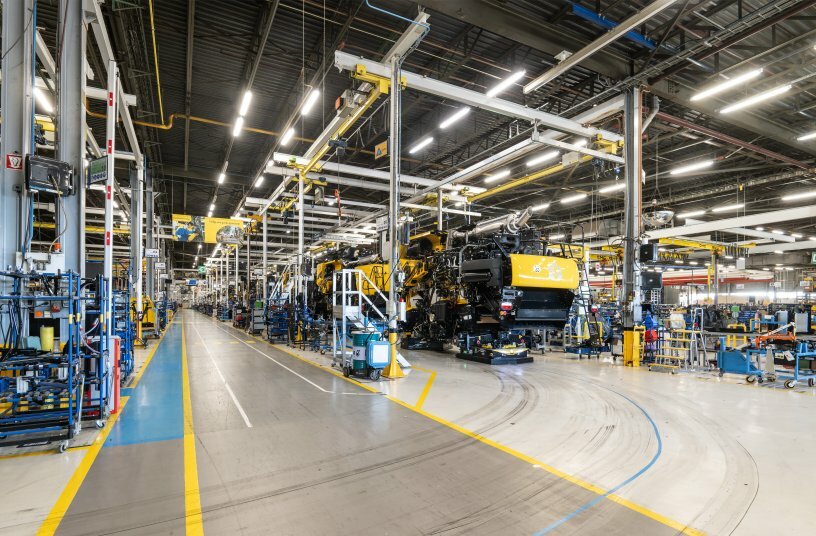
The first plant specialises in transmissions, drivelines, rear axles and mechanical components. The second is the centre of excellence for combines, forage harvesters and large balers, with wide engineering areas for research and development. Two different settings, the same point: process data has to sit where the decision is made, not only at the end of the shift.
Aim of the visit
The aim was to collect and understand the requirements from the real production processes, not from a specification written at a desk. Knowing the work sequence, the control points and who steps onto the line turns an operational need into a usable specification.
The next step is to combine those needs with an industry that is already 4.0, automatic and robotised. The automation is already on the line. The gap we saw is often the passage from paper to the system: without it the robot runs, but the supervisor has no reliable history to decide on.
Transmissions and drivelines: quality control
In the first plant we followed quality control on components that are critical for torque and safety: transmissions, drivelines, rear axles and other mechanical parts. We saw where the check starts, which systems record it, and at which point on the line a part is accepted, reworked or stopped.
The recurring theme is the move from paper to systems. Travellers, checklists and handwritten logs still sit beside the digital record. On that double track time is lost, the entry is duplicated, and the gap grows between a control result and the people who must act: quality, the line supervisor, process engineering.
With supervisors and engineers we collected the needs to bring into the process: visibility of the component status, a history of checks without recopying the sheets, and an outcome that the person running the line can read, not only the person who files the document at the end of the shift.
Centre of excellence: maintenance and engineering
In the second plant the discussion moved to finished machines and the engineering areas. It is the centre of excellence for combines, forage harvesters and large balers: assembly lines for complex products, next to research and development space where the process is defined before it reaches production.
Here we looked at planned maintenance and at breakdown maintenance. Planned work is the schedule: inspections, intervals, replacements that keep the line available before a failure. Breakdown work is the unplanned intervention: stop, diagnosis, spare part, restart. They are two different flows and, if they stay on separate supports, you cannot see which stop comes from a missed plan and which from a component.
One requirement came out clearly: link the work order to the machine, the cause and the downtime, so maintenance and engineering read the same event. Without that link, R&D designs and the line absorbs the consequence, and the data does not travel back to the people who can change the process.
From the requirement to the process
The four days do not close a project. They close a list of requirements checked on the line: traceable quality control on mechanical components, a way out of the paper-and-system double track, and planned and breakdown maintenance read as one flow. That is how IG-Consulting takes a plant need into a digital process, consistent with production that is already automatic and robotised.